

Research Areas
Water for the Future
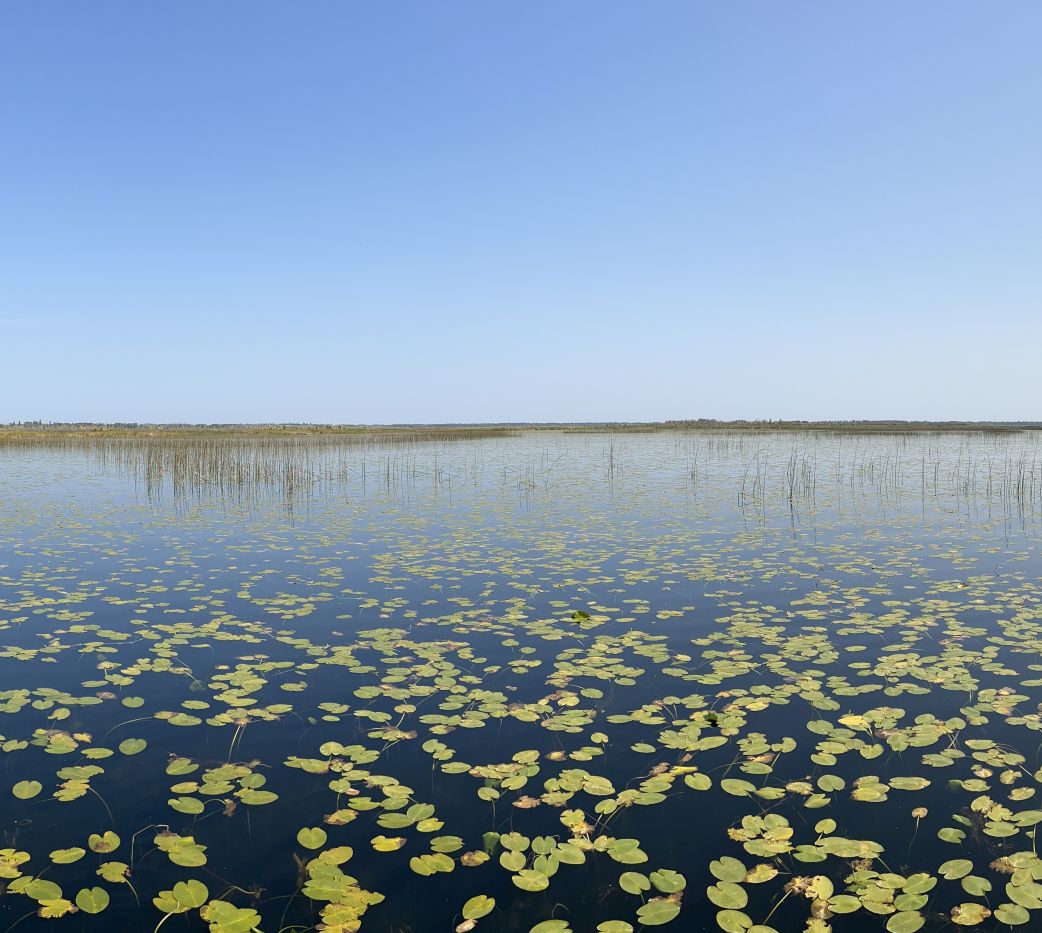
A water-secure Saskatchewan has clean drinkable and swimmable waters for our communities, agriculture, and environment. Our research explores how the landscape, climate, and human activities affect freshwater above and below ground. From prairie wetlands to mountain glaciers, our research seeks to ensure Canada’s water resources are sustainable for future generations.
Our work in this research area contributes directly to USask's Water Signature Area of Research.
Powering the Province

Sustainable energy solutions will help Saskatchewan reduce its carbon emissions and meet climate targets, while staying economically competitive. Our research explores the social, political, and economic contexts around renewable energy projects and technologies, particularly in rural, remote, and northern communities. This work is powering the province’s future and supporting reconciliation with Indigenous people.
Our work in this research area contributes directly to USask's Energy and Mineral Resources Signature Area of Research.
People and Place
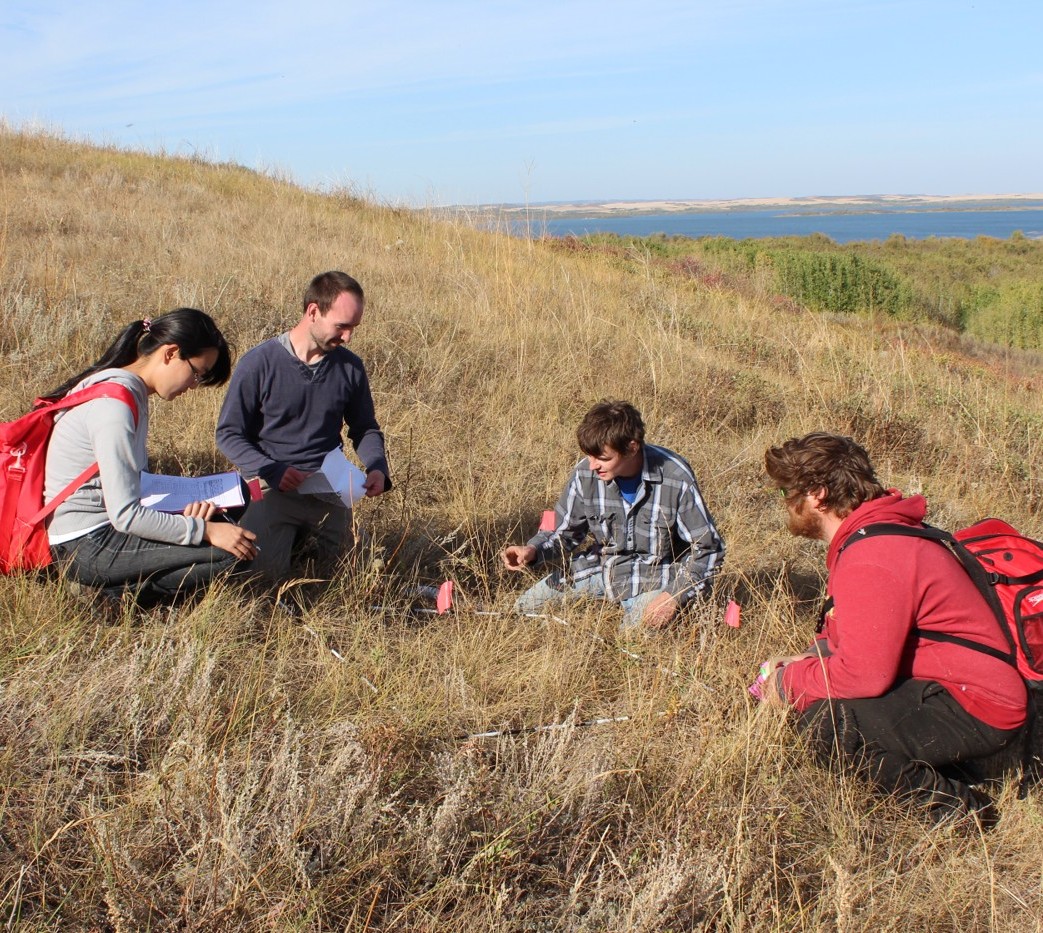
Solutions to big problems in environment and sustainability require an understanding of the relationships among peoples and the natural world and how they work together towards common purpose. Our work studies the human dimensions of biocultural diversity, co-management of shared resources, and governance structures that support an equitable and sustainable future for all. Working with people and communities throughout Saskatchewan, across Canada, and internationally, we are helping build vibrant communities and supporting the co-existence of people and planet.
Our work in this research area contributes directly to USask's Communities and Sustainability Signature Area of Research.
Toxicology for a Safer Environment
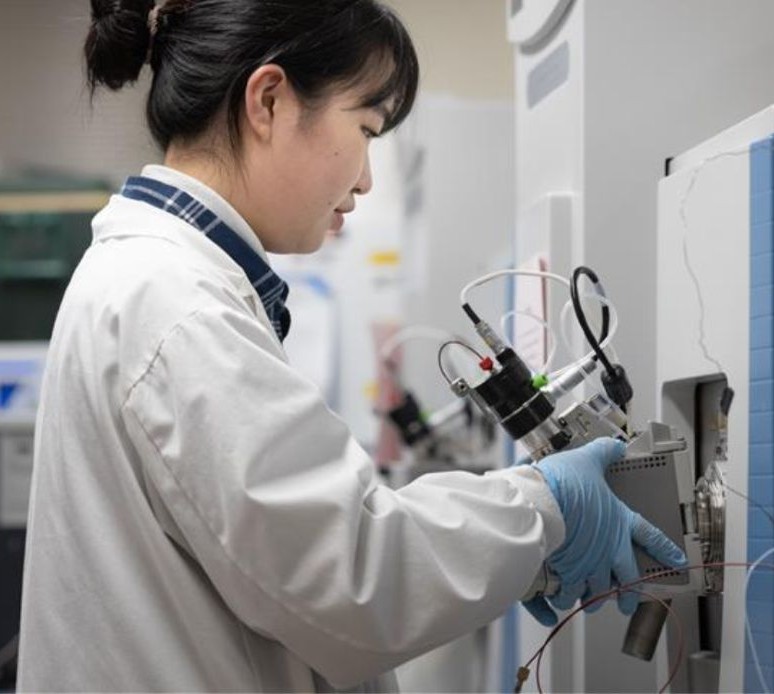
Protecting people and planet is central to sustainability, and our research seeks to understand how pollutants affect our ecosystems and their inhabitants. Our research explores the pathways by which chemicals enter the environment and living things, and develops tools for detecting harmful chemical effects. Working with government, private sector, and community partners, our work advances safer drinking water, addresses the risks of new chemicals, and supports cleaner industries.
Our work in this research area contributes directly to USask's Water Signature Area of Research.
FAQ
Our research supports a world where communities, ecosystems, and economies thrive together. We deliver decision‑ready science for water security, agriculture, community resilience, chemical safety, sustainable resource development, and just energy transitions. We co‑design projects with communities, industry, and governments; turn evidence into practical tools and briefs; and train people who implement solutions across the province, throughout Canada, and around the world. By doing so, SENS is making Saskatchewan more liveable and prosperous.
Our research contributes broadly to helping people and our planet thrive together, recognizing the importance of environmental, cultural, and economic dimensions to sustainability. We tackle major global issues, including the quality and availability of clean water, energy poverty in northern and Indigenous communities, the risks of emerging contaminants, and what a changing world means for people, their cultures, and the natural resources on which they depend. Our faculty and student researchers are at the forefront of these issues, producing new knowledge and tools through community-engaged scholarship, cutting-edge laboratory analyses, and next-generation monitoring and modelling—work that helps our partners from communities, governments, not-for-profit organizations, and industry meet their goals and challenges.
SENS is a premier Canadian research unit focused on the environment and sustainability. Our world-class faculty members are experts in their fields, bringing diverse research strengths spanning water security, energy security and community energy planning, environmental governance, biocultural diversity, next-generation modeling, toxicology, and regenerative sustainability. Working across disciplines and beyond the university, SENS research is providing solutions to the world's most pressing issues.
SENS faculty and students work in Saskatchewan, across the country, and internationally. Our research uses field studies, laboratory experiments and analyses, and next-generation modeling, and our researchers have active projects on all continents except Antarctica. SENS has access to some of the best research tools and infrastructure in Canada, including cutting-edge analytical and molecular suites, the Aquatic Toxicology Research Facility, the Canadian Light Source (Canada's only synchrotron), the Canadian Hub for Applied and Social Research, and more.
Much of our research is partner-driven, meaning that we focus on real-world problems that our partners in communities, agencies, industry, and NGOs have identified as important to them. Naturally, this work develops from relationships, and so it all starts with a conversation. If you are interested in collaborating, reach out to faculty members individually, connect with our Research Services Specialist, or contact our Executive Director to discuss options.
There are many opportunities for students to get involved in our research, and we encourage you to visit our programs page for more information. For graduate students, we offer thesis-based Master's and PhD programs in environment and sustainability that have a strong research training component. Many students in SENS join interdisciplinary teams working on real‑world problems with external partners, gaining training that spans fieldwork, lab techniques, modelling, data analysis, and knowledge mobilization—preparing graduates for careers across government, consulting, NGOs, and industry. SENS also offers course-based graduate certificates and Master's programs with specializations in water security, regenerative sustainability, energy security, and toxicological risk assessment.
While SENS is a graduate school, we also coordinate the University of Saskatchewan's Undergraduate Certificate in Sustainability, which is open to undergraduates in any discipline or program on campus. Our faculty also train undergraduate students in their labs, often during the summer, which provides a great entry point for those who are new to research.
Add contact info?
Research Groups and Projects
Renewable Energy
An international and multi-sectoral partnership engaging northern and Indigenous communities from the Circumpolar North to re-imagine energy security through various projects.
UNESCO Chair in Biocultural Diversity, Sustainability, Reconciliation, and Renewal
In partnership and friendship with communities and Indigenous peoples in the areas of environmental stewardship and governance, community-engaged research practices, Indigenous food systems, and gender and youth in environmental management.
Facilities

Global Institute for Water Security
As the top water resources research institute in Canada and one of the most advanced cold regions hydrology centres in the world, GIWS is dedicated to helping protect our precious freshwater resources.

Toxicology Centre
The hub of research and admin support for the Usask Toxicology Program. Through the Centre and the related toxicology academic programs, the Centre trains world-class toxicologists who are sought after by society to address current and emergent human and environmental health issues.
Support and Resources
There are many supports available for your research and partnership activities from the planning stages to securing funding to ensuring your research is executed to the highest operational, financial, legal, ethical and safety standards.