

Advance your Career
Advance your Training
SENS Advance was designed to help professionals stand out in a competitive job market. Through flexible, focused learning opportunities delivered by experienced researchers and industry leaders working directly in environmental, sustainability, and natural resources sectors, SENS Advance equips learners with current skills, practical tools, and emerging knowledge.
Explore the topics that help you deepen your expertise, build new competencies, and expand your professional toolkit.
Focused and Future-ready. Learn from SENS faculty experts, experienced practitioners, alumni, and industry leaders through practical, evidence-informed professional development programs that connect emerging ideas to real-world sustainability challenges.
Learn. Grow. Leverage. Designed for professionals, SENS Advance programs help you build on your existing expertise, prepare for your next career opportunity, or explore a new area of knowledge.
SENS Advance goes beyond traditional academic learning, giving professionals in Saskatchewan and beyond the skills they need to succeed in a growing economy.
Flexible Ways to Learn. SENS Advance is a new initiative expanding SENS' commitment to supporting professionals beyond traditional degree programs.
Our interdisciplinary approach to research and learning brings together expertise from across environmental and sustainability fields to offer relevant, high-quality learning for professionals navigating an ever-changing job market.
Current programs offered through SENS Advance
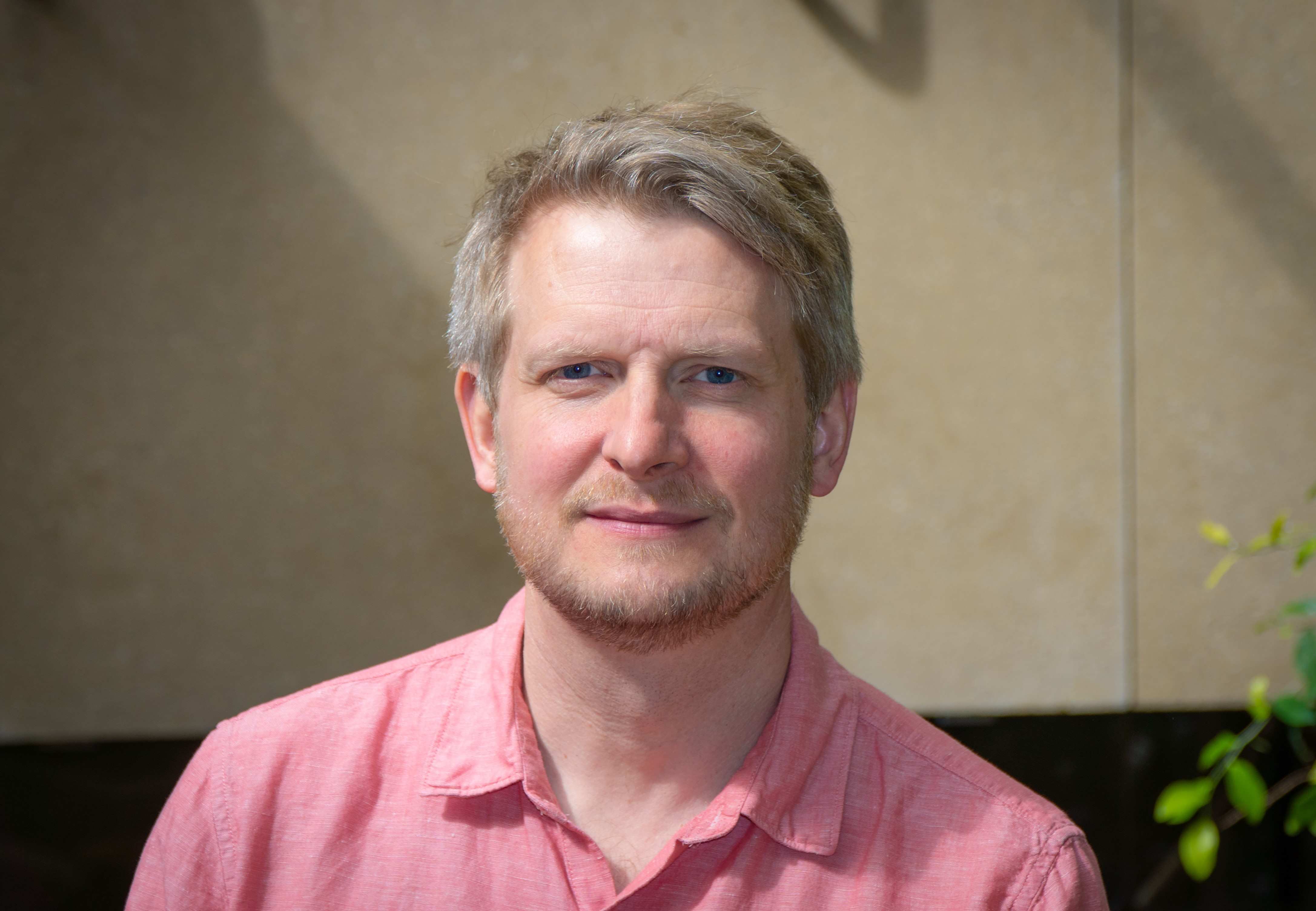
Build practical data skills for a data-driven world. This hands-on six-week course introduces Python for environmental data analysis, visualization, and workflow automation. Through applied exercises and real-world datasets, participants will develop foundational skills and confidence to work more efficiently with environmental data in research and professional practice.
Course Dates: COMING February - March 2027
Curious about what Python can do for your work? Discover practical tools and techniques for analyzing environmental data with confidence.
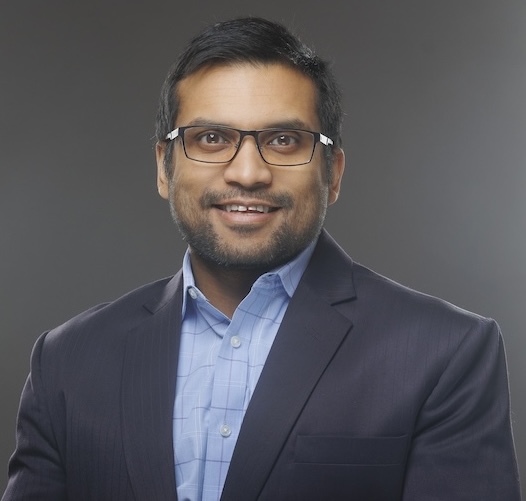
Lead projects with confidence in complex natural resource environments. Designed specifically for the natural resources sector, this practical three-day course explores project planning, stakeholder engagement, governance, risk management, and project delivery. Participants will gain practical tools and strategies that can be applied immediately across environmental, infrastructure, energy, mining, and resource-sector projects.
Palash Sanyal, ICD.D, GCB.D, PMP, CPF, ACC is an executive educator, project management professional, consultant, executive coach, and corporate board director with more than 15 years of experience leading complex projects across Canada and internationally. He has taught more than 20 cohorts of project management and PMP-related programs for universities, Indigenous governments, public sector organizations, and private industry. As a project manager and consultant, he has worked with First Nations, Inuit organizations, governments, universities, and industry, leading initiatives in natural resources, infrastructure, environmental management, governance, and organizational transformation. Palash currently teaches at the University of Calgary and SAIT and serves on the boards of Trans Canada Trail, Sandbox Mutual Insurance, Royal College International, Thomas Circle of Care, and Family Services Saskatoon, bringing practical leadership and governance experience into every classroom.
Take the next step in your professional growth with practical strategies for managing projects, people, and complexity.
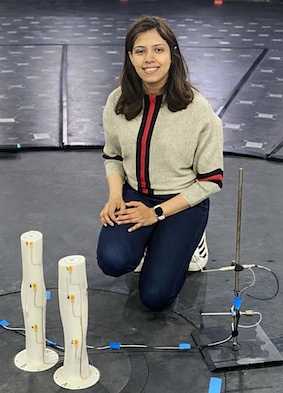
Gain practical knowledge to support more sustainable and resilient buildings. This flexible six-week online course explores sustainable building design across the full building life cycle. Participants will examine energy-efficiency building systems, sustainable construction materials, green building certification systems (such as LEED and WELL), and climate-resilient design while gaining practical knowledge to support more sustainable decision-making in the built environment.
Dr. Varuni Jayasooriya is an environmental scientist and engineer with extensive experience in both academic and applied research, focusing on sustainability solutions across urban environments. Her academic journey spans international and Canadian settings, allowing her to address challenges in urban microclimates, green infrastructure, and sustainable urban planning. Her work is deeply inspired by observing environmental issues such as the impacts of urbanization on ecosystems, climate-induced vulnerabilities, and the need for sustainable development practices. Through teaching and research, Dr. Jayasooriya aims to contribute to innovative, data-driven solutions that foster environmentally and socially sustainable cities. Engaging with students energizes her work, broadens her perspectives, and reinforces her commitment to creating a lasting positive impact.
Explore how sustainable design is shaping the future of the built environment and discover where you can make an impact.

Most practitioners addressing issues related to the flow of water in streams use models—to solve problems and predict outcomes. But those models are often based on antiquated notions of how catchments generate streamflow.
Streamflow Generation: Processes and Perceptual Models is a ½ day course that provides an equation-free description of what we know, what we think we know and what we need to know in terms of the flow pathways, sources and travel times of water through headwater catchments.
Dr. Jeffrey McDonnell, OC, FRSC is a field hydrologist and University Distinguished Professor of Hydrology at the University of Saskatchewan in Canada. His research focuses on streamflow generation and the use of stable isotopes for tracing the water cycle. He has taught this course for over 20 years and he is author of the 2026, open access Oxford University Press text: “Streamflow Generation: Processes and Perceptual Models”.
Course Date: Wednesday May 12, 2027. 9 am - 1pm.
Go Further
Interested in taking your education further? Explore SENS' research-based graduate programs, including course-, project-, and thesis-based master's programs, doctoral studies, and graduate certificate programs. Available in-person, online, or hybrid, to meet you where you are.